Vancouver, British Columbia
April 14th - 16th, 2026
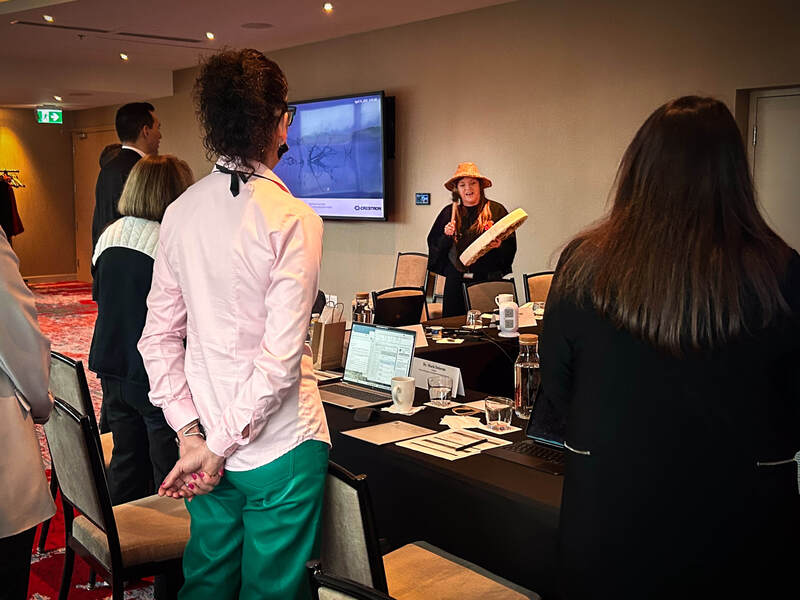
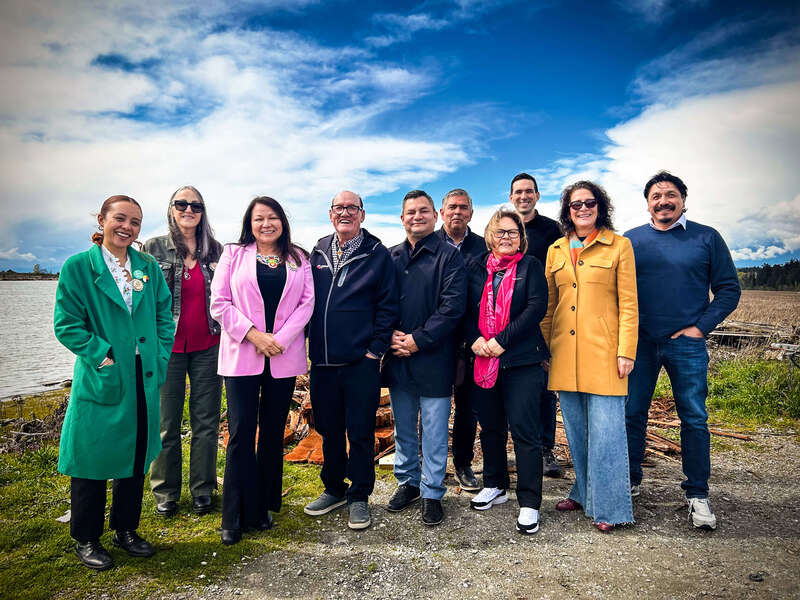
The NIEDB convened in Vancouver for a three-day meeting focused on Indigenous economic leadership, partnerships, and nation‑building across British Columbia. The meetings and site visits offered insight into how First Nations are advancing prosperity through innovation, governance, and collaboration.
The first day featured a series of presentations from Indigenous leaders, organizations, and businesses shaping the economic landscape. Discussions highlighted Indigenous-led economic development through the diverse portfolio of Petroglyph Development Group, the economic development arm of the Snuneymuxw First Nation, strategic land governance through modern treaty and Additions to Reserve processes, and emerging opportunities in sectors such as marine industries, fisheries, energy, and major infrastructure. Presentations from Genoa Design International and the Cedar LNG Project demonstrated the scale and sophistication of Indigenous ownership in global industries, while a panel discussion on fisheries co‑management examined both progress and ongoing challenges in shared stewardship models.
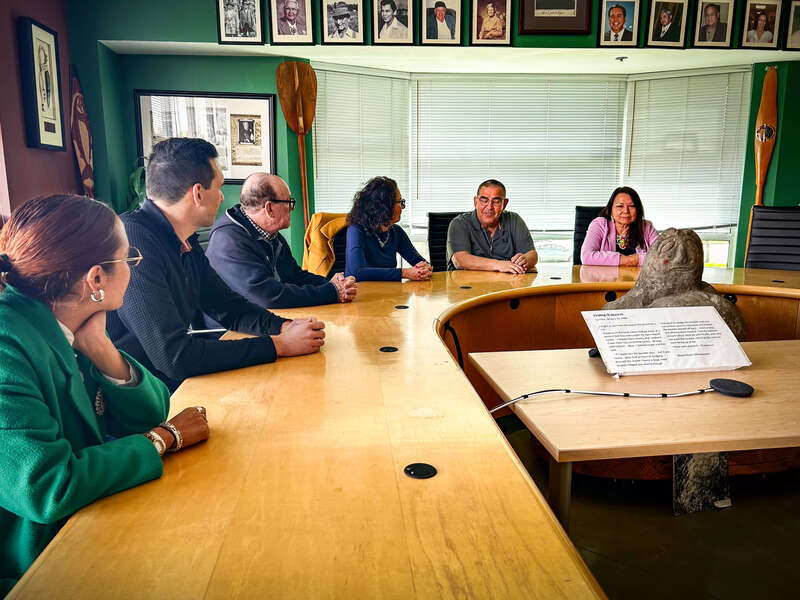
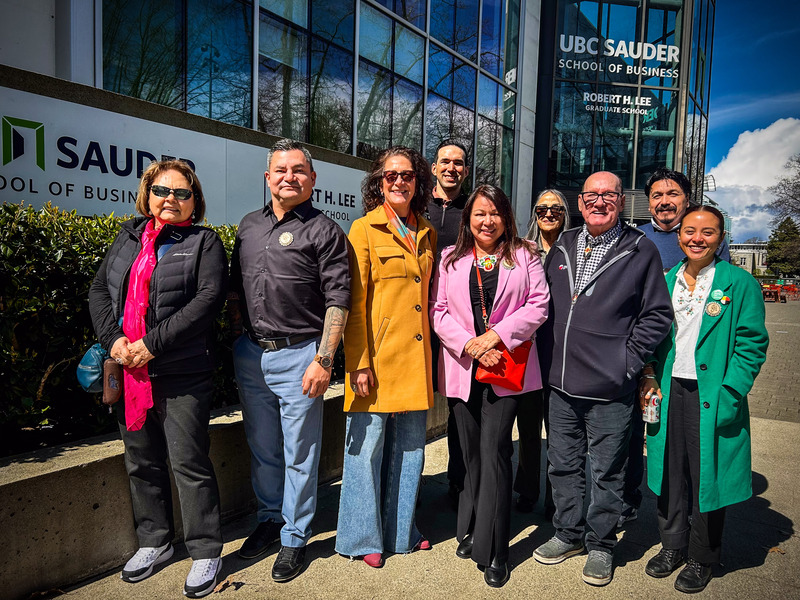
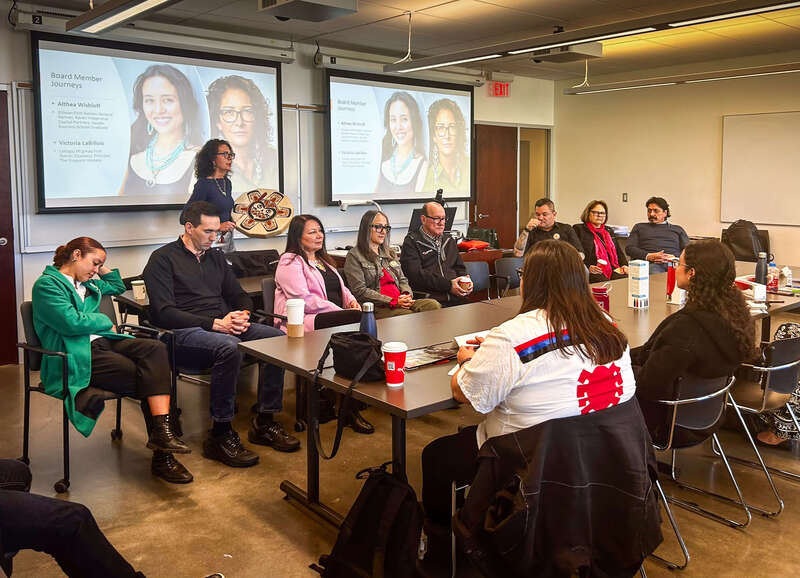
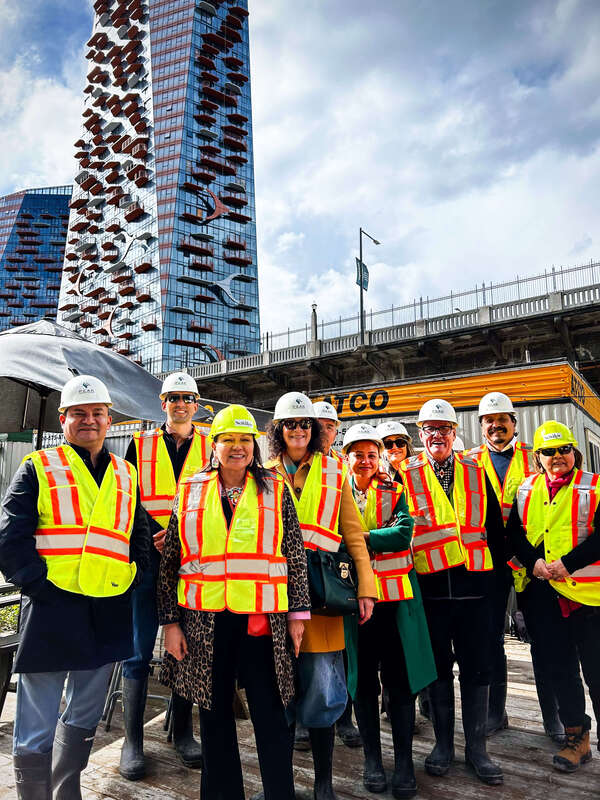
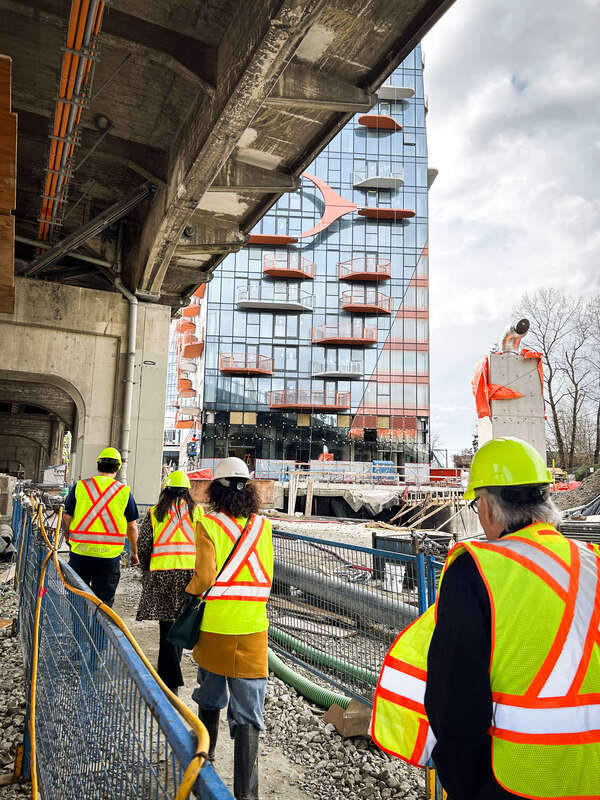
Day two shifted from the boardroom to the community, beginning with a visit to the University of British Columbia’s Sauder School of Business to learn about the Ch’nook Management Program and the next generation of Indigenous business leaders. The Board then met with Musqueam leadership to explore collaborative urban development through Musqueam Capital Corporation and the tri‑Nation MST Development Corporation. The day concluded with a tour of Sen̓áḵw, the Squamish Nation’s landmark housing development, showcasing an ambitious, Indigenous‑led response to urban housing needs.
On the final day, the Board heard from national and provincial organizations working to expand Indigenous participation in defence procurement, mining, energy, and utilities, with a particular focus on the growing importance of critical minerals to Canada’s economic and security priorities. Discussions emphasized the need to ensure Indigenous communities are meaningfully involved across the full value chain—from exploration and development to ownership, procurement, and long‑term revenue generation—so these sectors contribute directly to nation‑building and intergenerational prosperity. Speakers highlighted how Indigenous leadership, equity participation, and co‑management are essential to building resilient supply chains while advancing reconciliation and sustainable development.
Together, the sessions underscored a shared commitment to Indigenous self‑determination, long‑term wealth creation, and respectful partnerships across Canada’s economy.