Our Work

The NIEDB’s work fosters meaningful engagement with Indigenous Peoples and plays a vital role in advancing economic development opportunities for First Nations, Inuit, and Métis communities.
The NIEDB’s 2024-2027 Strategic Plan focuses on three priority areas that shape the Board’s advice to government and engagement with communities, institutions, and organizations.
The Board works to address these priority areas by providing advice to the federal government, collaborating and engaging with communities and academic institutions, and by supporting research and reporting on Indigenous economic development.

The Board provides policy advice and recommendations to the whole of the federal government to help develop policies and programs that respond to the unique needs and circumstances of Indigenous Peoples in Canada.
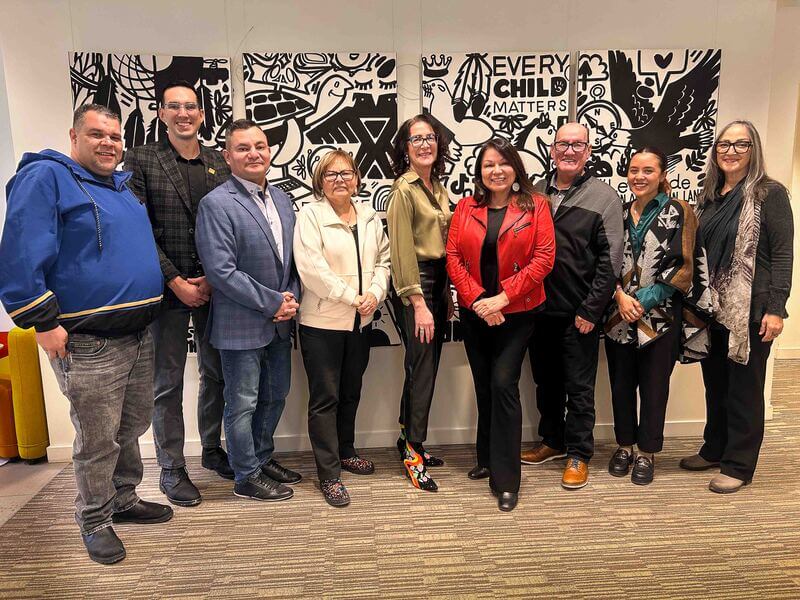
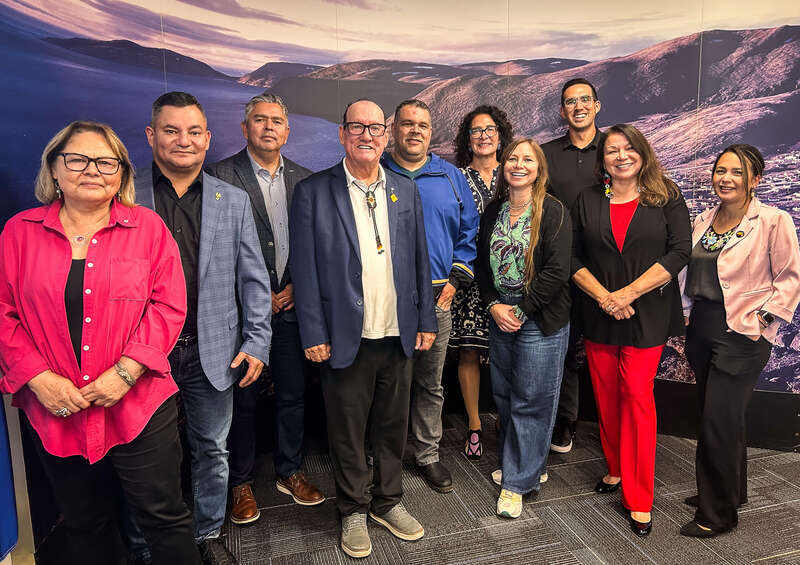
The Board meets four times a year, with three in-person meetings and one virtual session. When possible, the Board meets in community to gather insight on current challenges and barriers faced by Indigenous organizations, business owners, entrepreneurs and the surrounding community. These meetings are vital in formulating concrete economic policy recommendations to the Government of Canada.
The Board supports the production of Indigenous-led economic data by collecting, analyzing, and disseminating data on key Indigenous economic indicators.
Accurate and comprehensive data is the foundation to making informed decisions about sustainable economic development within Indigenous communities. The Board honours Indigenous knowledge systems, promotes culturally relevant development pathways, and supports the empowerment of Indigenous communities in defining and controlling their economic data.
The National Indigenous Economic Progress Report is the fourth installment by the National Indigenous Economic Development Board. It updates and assesses key economic indicators for Indigenous populations in Canada, using data from the 2021 Census and beyond. The report tracks progress, identify gaps, and aims to inform policy decisions to foster Indigenous economic prosperity.
The report focuses on "Core and Underlying Indicators" critical for determining Indigenous economic progress:
The report includes 70 recommendations, and 22 strategic considerations aimed at fostering sustainable growth and prosperity within Indigenous communities. These recommendations are designed to empower Indigenous Peoples, promote self-determination, and create opportunities for economic advancement. The recommendations put forward are related to the “Core and Underlying” indicators found within the report.
Implementing the recommendations in a collaborative and culturally sensitive manner, supports the economic empowerment and self-determination of Indigenous Peoples, paving the way for sustainable development and prosperity for generations to come.