The Métis Settlements in Alberta represent the first and only Métis self-government in Canada, a constitutional milestone that continues to shape economic and cultural prosperity. Located throughout Northern Alberta, the eight Settlements together have a land base of 1.25 million acres, and are home to approximately 6,500 people.
Background
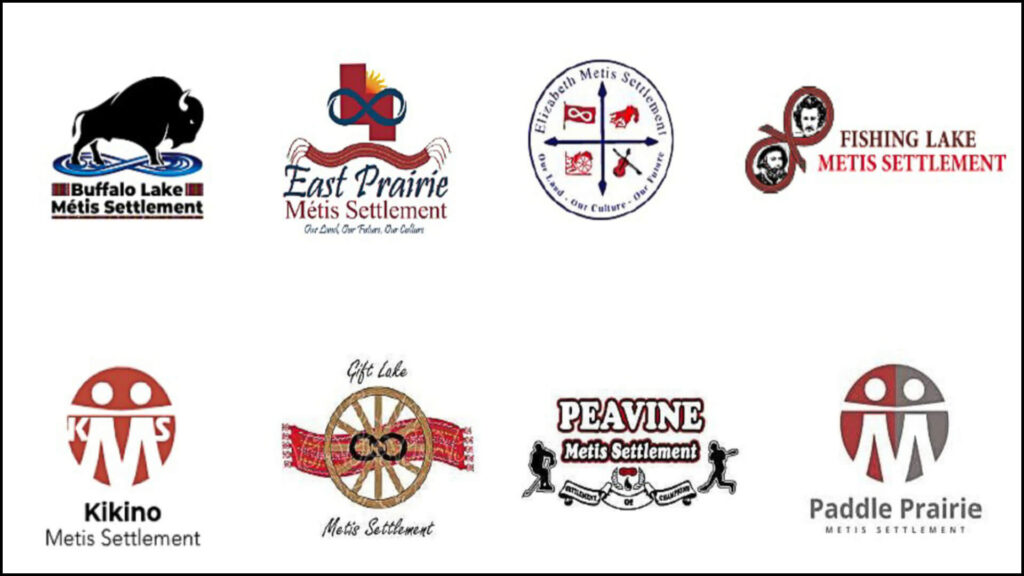
The Métis Settlements are eight distinct communities—Buffalo Lake, Paddle Prairie, Gift Lake, East Prairie, Elizabeth, Fishing Lake, Kikino, and Peavine—governed collectively by the Métis Settlements General Council (MSGC). The MSGC, composed of 40 elected councilors and an executive team, advocates for the rights, land, and future of the Métis people living on Settlement lands.
The Métis Settlements are a constitutional first in Canada, recognized under provincial legislation and protected by a Crown relationship. The Settlements are the only Métis group with a legislated land base and self-government, ensuring that Métis culture, identity, and governance thrive for generations to come.
Challenges
The story of the Settlements begins in the fur trade era, when the Métis acted as intermediaries between European traders and Indigenous nations. From 1680 to 1821, the fur trade created economic opportunities for the Métis. But by the early 20th century, the collapse of this industry and subsequent displacement of the Métis people led to widespread poverty. Many Métis in Alberta faced dire conditions—homelessness, lack of education, and loss of traditional lands.
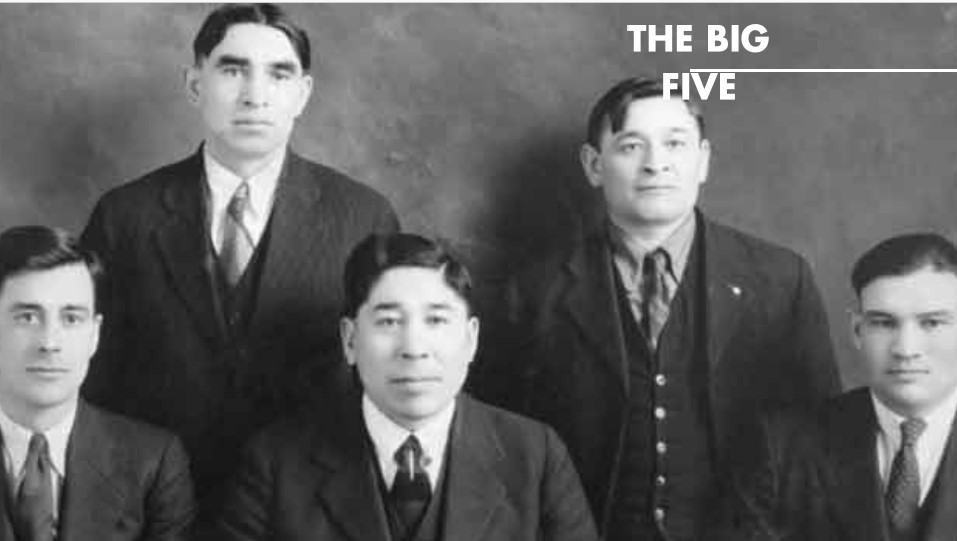
In the 1920s, Métis leaders formed l’Association des Métis d’Alberta et des Territoires du Nord-Ouest. Known as the “Big Five”—Malcolm Norris, Felice Callihoo, Joseph Dion, James P. Brady, and Peter Tompkins—these visionaries lobbied for land to protect Métis culture and way of life. Their efforts led to the Ewing Commission in 1934, which recommended land reservations for Métis communities.
By 1938, the Métis Population Betterment Act created 12 Settlements, though four were later dissolved. The remaining eight became the foundation of today’s Métis Settlements. In the 1970s, the “Fathers of the Federation” reignited the fight for land security and governance, culminating in the Alberta-Settlements Accord of 1989 and the Métis Settlements Act of 1990. This agreement entrenched Settlement lands under Alberta’s Constitution and established local self-government—a historic achievement celebrated annually to this day on November 1 “Proclamation Day.”
Results
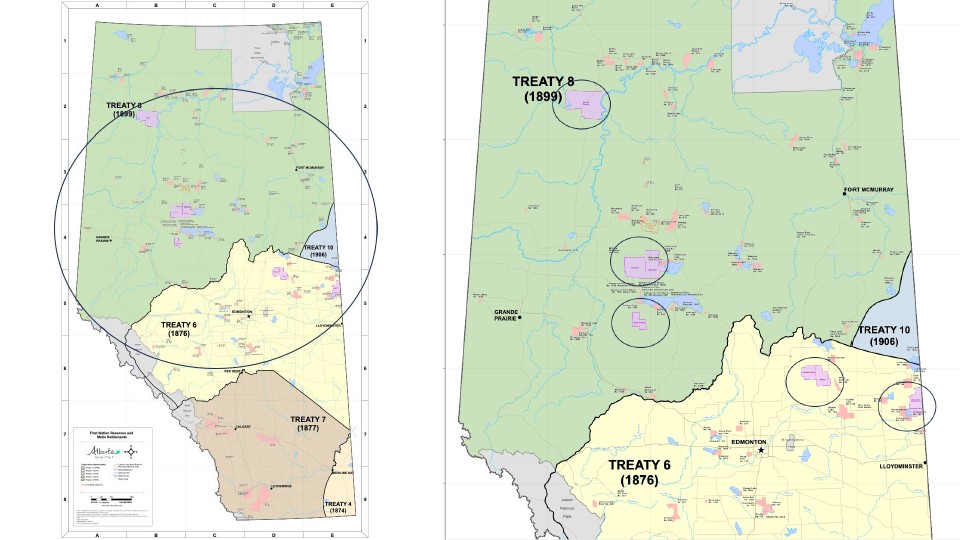
The Settlements governance model empowers Métis communities to manage their lands, resources, and development priorities and demonstrates how Indigenous communities can achieve economic self-sufficiency without sacrificing identity. The Settlements contribute millions annually to Alberta’s economy while maintaining cultural sovereignty. Their success rests on three pillars:
- Resource Stewardship and Economic Autonomy
The Settlements collectively manage 1.25 million acres of land, leveraging natural resources responsibly to generate revenue and employment. Forestry, energy partnerships, and land leasing have created sustainable income streams while preserving environmental integrity. - Diversified Local Economies
Each Settlement fosters entrepreneurship and local industries—from agriculture and ranching to construction and service businesses. These ventures not only create jobs but also strengthen community resilience against economic fluctuations. - Strategic Partnerships and Advocacy
Through the MSGC, the Settlements negotiate agreements with governments and industry, ensuring that development aligns with Métis priorities. Recent initiatives include infrastructure investments, housing programs, and training opportunities that prepare Métis youth for careers in emerging sectors.
The Settlements are more than communities; they are a living legacy of Métis resilience and self-determination. From the fur trade era to constitutional recognition, their journey reflects the strength of a people determined to protect their heritage and secure their future.