Mi’kmaw Kina’matnewey (MK) is an inspiring example of Indigenous-led educational transformation. Representing 12 Mi’kmaq communities in Nova Scotia, MK embodies what becomes possible when communities reclaim jurisdiction over their children’s education. The NIEDB learned about Mi’kmaw Kina’matnewey’s journey in Spring 2024, during its Board meeting in Millbrook, Nova Scotia.
Background
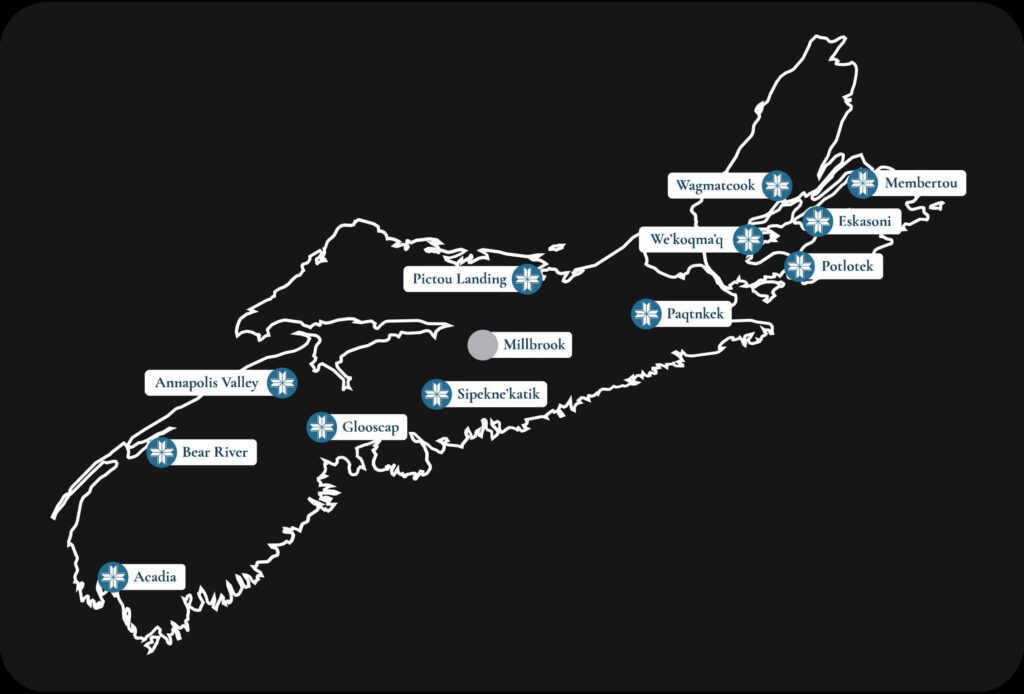
Mi’kmaw Kina’matnewey was formally established in 1997, following years of advocacy and collaboration among Mi’kmaq communities, the federal government, and the Province of Nova Scotia. This work culminated in the Mi’kmaq Education Act of 1999, a historic self‑governing agreement that returned full jurisdiction over on‑reserve education to participating First Nation communities.
More than a shift in administration, this change marked a profound reclamation of Mi’kmaq identity. For generations, the education system imposed through colonial policies—most devastatingly, the Indian Residential Schools system—had sought to erase language, culture, and community connection. MK was created to do the opposite: to nurture Mi’kmaw language, culture, worldview, and pride while ensuring students receive high‑quality academic programming equal to or exceeding provincial standards.
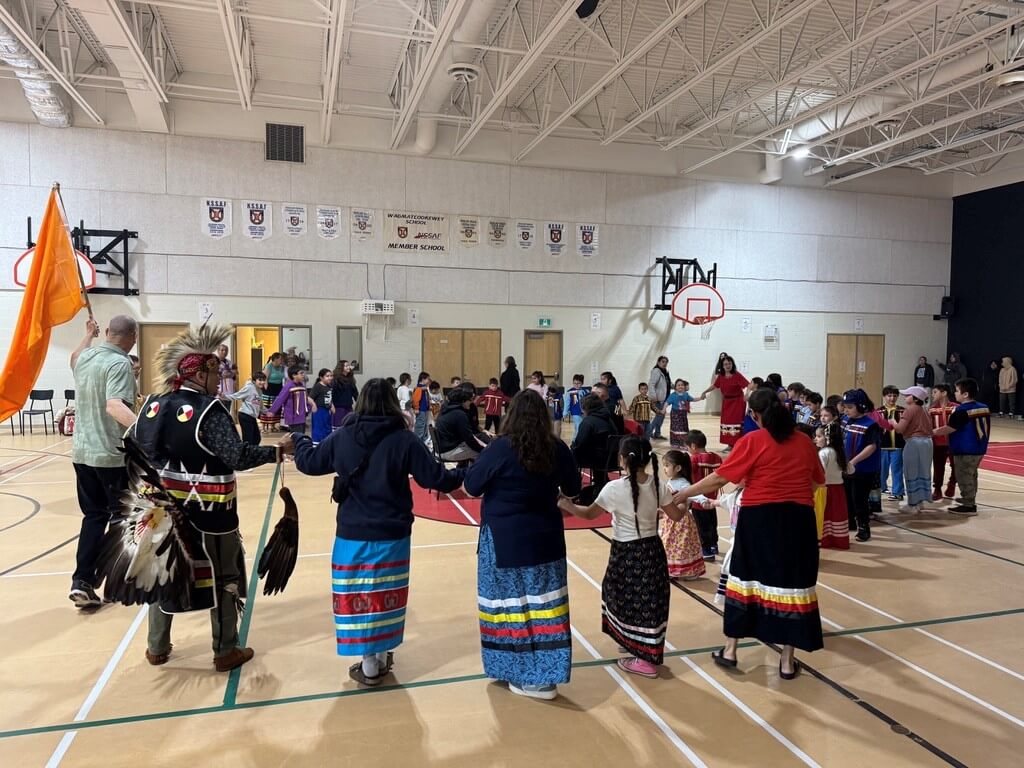
What makes the MK model unique is its community‑driven governance. Rather than act as a top‑down school board, MK serves its member communities, supporting local schools to design programs that are Mi’kmaq‑led, bilingual, and culturally grounded. The goal is clear: to ensure every Mi’kmaw student is empowered to succeed academically, spiritually, and culturally.
Challenges
When MK began its work in the 1990s, the challenges were immense. Many Mi’kmaq communities had experienced decades of underfunded education systems that did not reflect their identity or needs. Graduation rates for Indigenous students across Canada were low, student retention was inconsistent, and students transferring between systems often faced academic penalties because of misaligned curricula.
Another core challenge was the urgent need for Mi’kmaq language revitalization. With the number of fluent speakers declining, communities recognized that without immediate and coordinated action, opportunities for future generations to learn and use their ancestral language would diminish further.
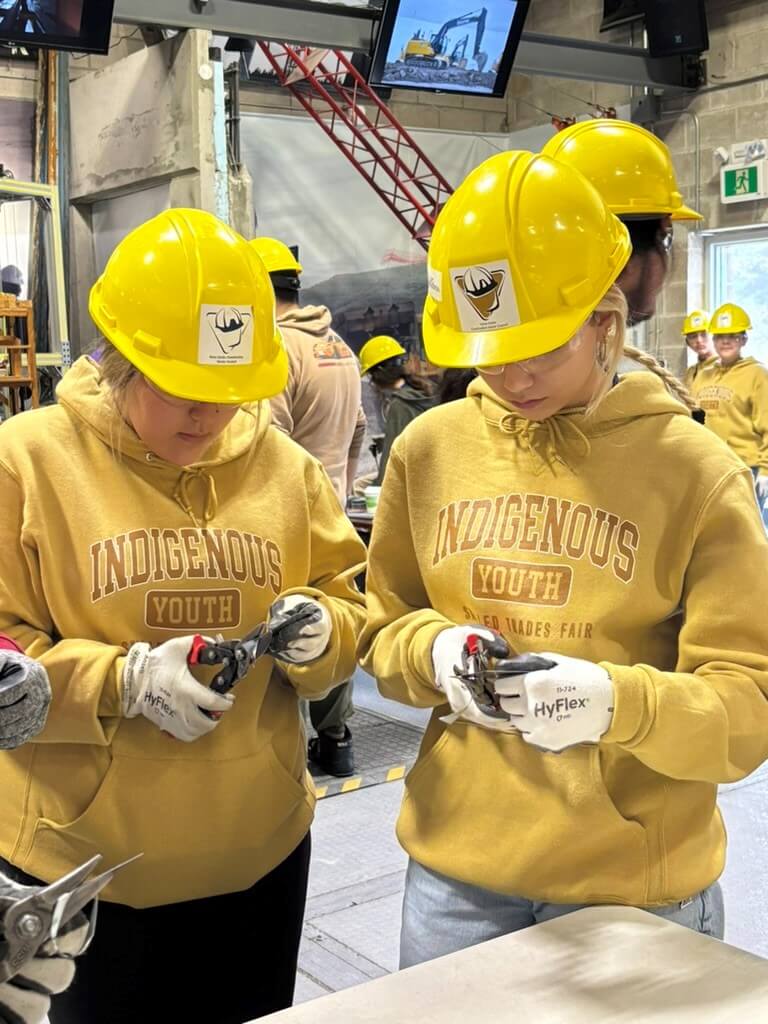
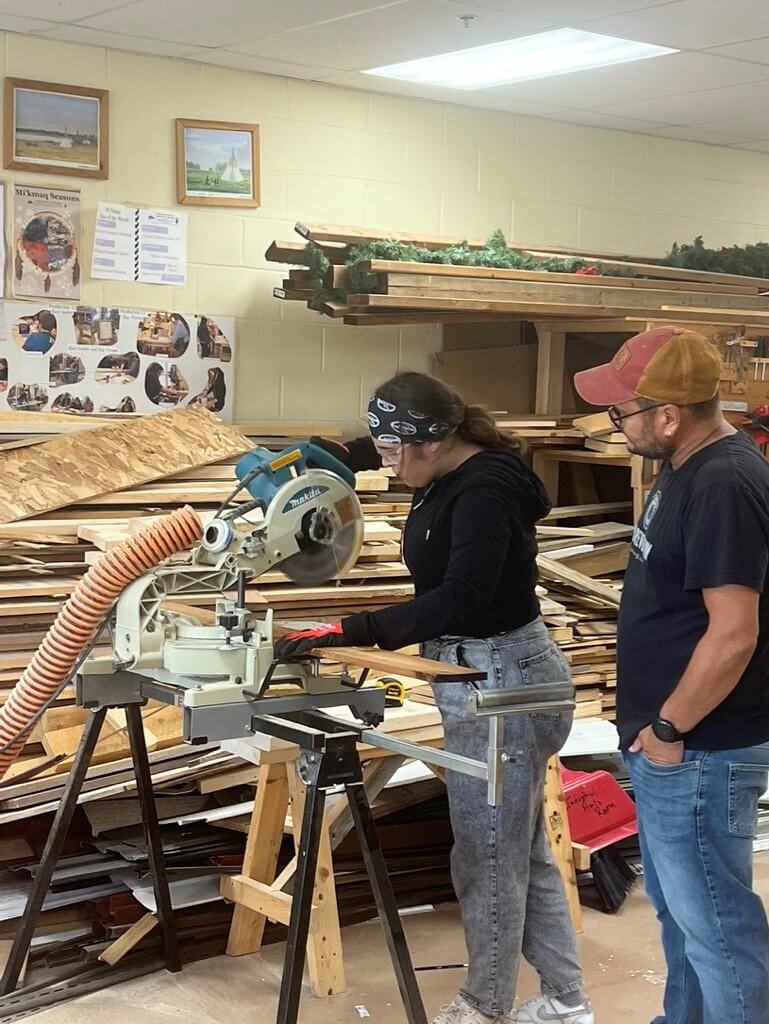
There was also a significant need for trained Mi’kmaq educators—teachers, educational assistants, language keepers, early childhood educators, and administrators—who could deliver programs rooted in Mi’kmaq ways of knowing. Building this educational workforce would require long-term planning, training, and investment.
Finally, there was a broader systemic challenge: transforming a colonial education model into one that empowered rather than erased Indigenous identity. This required redesigned curricula, community involvement, new governance structures, and partnerships that respected Mi’kmaq leadership and decision-making authority.
Solutions
MK responded to these challenges through a comprehensive, community-first approach.
At the heart of MK’s solution was a commitment to engage every community, learner, teacher, and family in a shared mission: to help students dream, learn, and achieve at their highest potential. This meant broadening the meaning of education itself—from strictly academic success to include cultural strength, personal well-being, and lifelong learning.
MK strengthened programming across schools by aligning curricula with provincial standards while infusing Mi’kmaq language, culture, and perspectives throughout. This ensured students could transition seamlessly between education systems without losing academic standing.
Mi’kmaq language revitalization became a priority. MK invested in immersive, bilingual programs, the Mentor–Apprentice language training model, and community-based opportunities for learners of all ages. Schools in communities such as Eskasoni and Wagmatcook now offer full immersion or partial immersion tracks for younger grades, with increased access for families in communities with fewer fluent speakers through online and in-person instruction.
Recognizing the importance of data-driven planning, MK developed the Mi’kmaw Kina’matnewey Student Information System (MK SIS). This tool monitors graduation rates, attendance, retention, and goal progression, giving communities accurate information to guide decision-making.
MK also forged strong partnerships—especially through its Education Services Agreement with the Province of Nova Scotia. These agreements ensure professional development for teachers, stronger transitions for students attending public schools, and shared learning around Mi’kmaq language and culture.
Finally, MK placed enormous emphasis on building human capacity. Through training, mentorship, and continuous professional development, MK has steadily expanded the number of Mi’kmaq people working in education, creating a sustainable and culturally anchored workforce for generations to come.
Results
The outcomes of MK’s work have been extraordinary—setting national and even international benchmarks for Indigenous education.
- High school graduation rates among First Nation students in Nova Scotia have reached nearly 94%, far surpassing national averages.
- Literacy and numeracy rates across MK schools continue to climb.
- 83% of First Nation students in MK communities attend MK-operated schools.
- More than 600 students are enrolled in post-secondary institutions.
- Attendance rates average 91% across MK schools.
- Mi’kmaq language revitalization is accelerating, with new immersion schools, expanded classroom offerings, and community access programs.
- A new school has been built in Pictou Landing First Nation, supporting modern and culturally aligned learning environments.
- The MK SIS system provides reliable, real-time educational data for better planning and support.
- Programs like the Mentor Apprentice and Junior Mentor Apprentice have created safe and culturally affirming spaces for language learning.
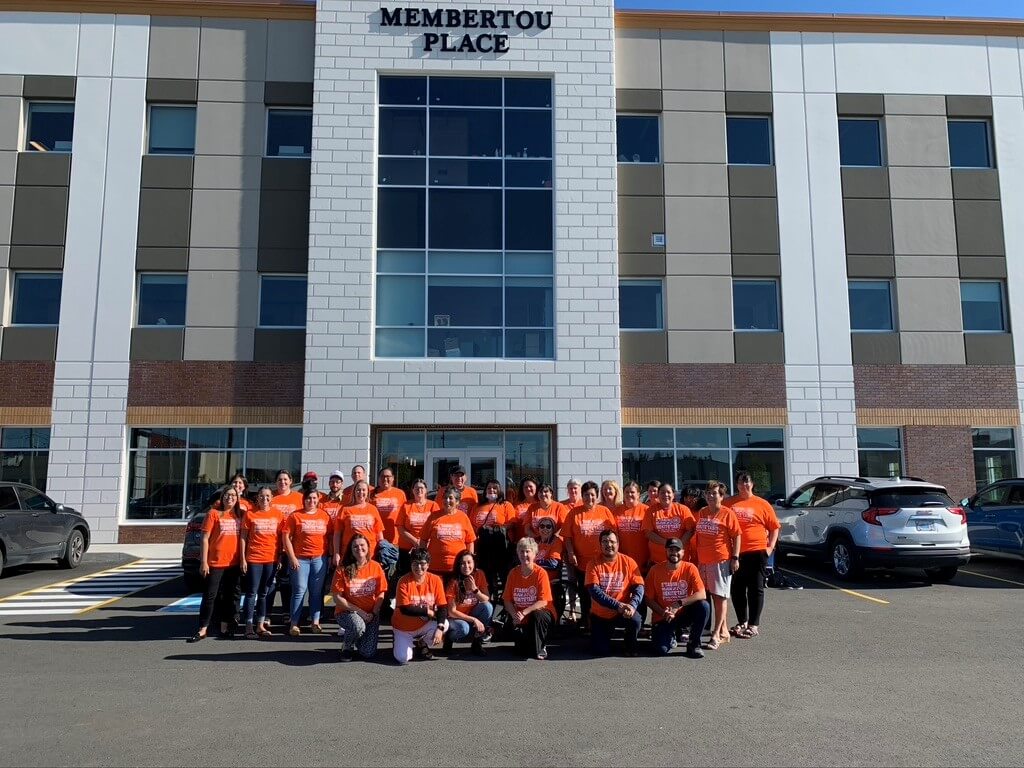
Beyond measurable indicators, MK has reshaped expectations. Where communities once hoped students would graduate, they now expect them not only to complete high school but to excel—surpassing provincial averages and pursuing post-secondary pathways with confidence.
Mi’kmaw Kina’matnewey proves that when Indigenous communities reclaim the right to educate their children in their own language, culture, and ways of knowing, extraordinary things happen.
Empowering youth empowers a Nation—and Mi’kmaw Kina’matnewey shows us what that empowerment looks like in action.
Mi’kmaw Kina’matnewey is rooted in the belief that when our communities lead the education of our children, we create spaces where language, culture, and identity thrive. By empowering our youth with strong academic foundations and a deep connection to who they are as Mi’kmaq people, we are strengthening not only individual futures, but the future of our Nation.
Blaire Gould, Executive Director, Mi’kmaw Kina’matnewey