Petroglyph Development Group (PDG), the economic development corporation wholly owned by Snuneymuxw First Nation, has emerged as a leading example of Indigenous economic success in Canada. Through a deliberate strategy of acquiring and growing revenue-generating businesses across multiple sectors, PDG has helped create sustainable economic opportunities that support community priorities, strengthen self-determination, and reinvest wealth locally. The NIEDB met with PDG leadership during its Spring 2026 Board meeting in Vancouver, British Columbia.
Background
Petroglyph Development Group is wholly owned by Snuneymuxw First Nation, with the Nation as sole shareholder and Snuneymuxw Chief and Council serving as PDG’s board, linking corporate activity directly to Nation priorities.
Unlike models that depend primarily on revenue-sharing agreements or resource-based opportunities, PDG has focused on building and acquiring businesses that generate ongoing revenue and create long-term value. This approach has enabled the Nation to establish a diversified portfolio of operating companies and assets across multiple sectors of the economy.
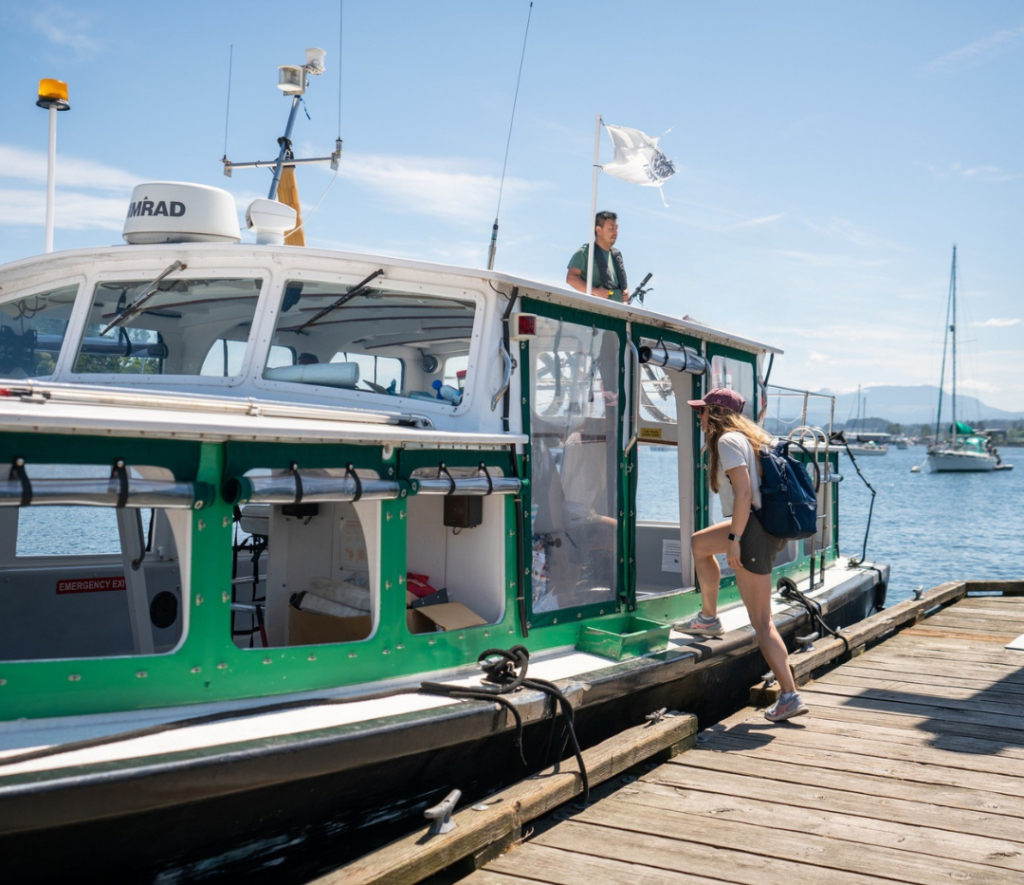
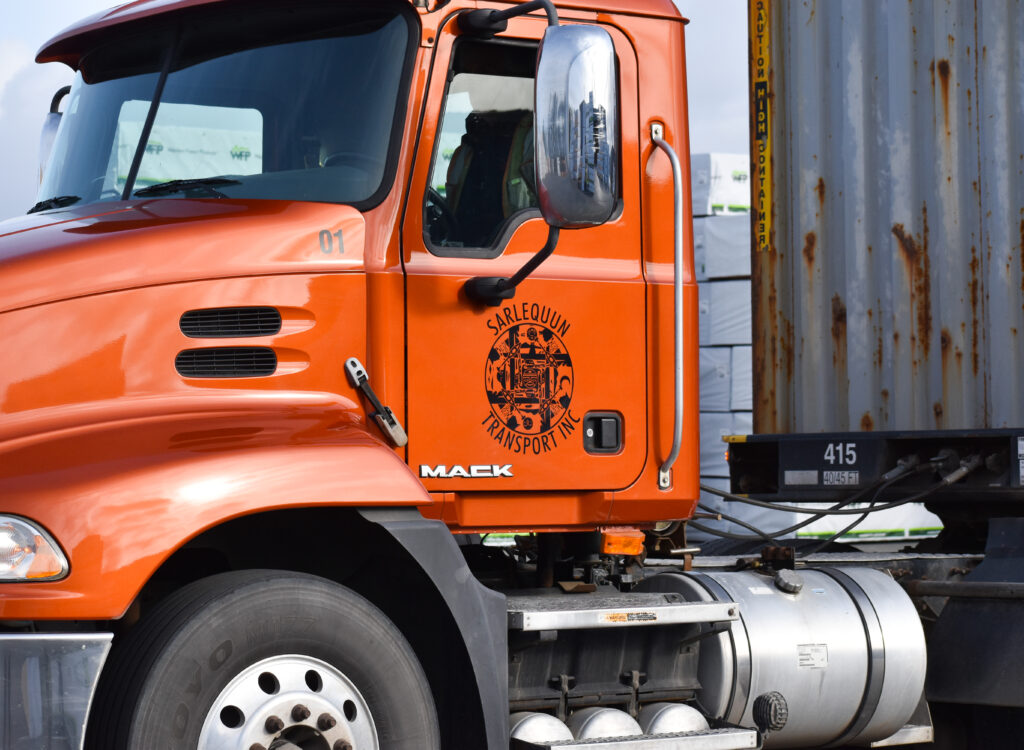
Over the past decade, PDG has expanded significantly, growing from three business sectors to a portfolio spanning 10 sectors, including forestry, real estate, transportation and logistics, fuel retail, hospitality, cannabis, tourism and gaming operations. PDG now has largest gaming portfolio in British Columbia and is the largest First Nation-owned casino and hotel operator in Canada by revenue.
The organization is committed to aligning economic activity with Snuneymuxw values, ensuring that business success contributes to Nation-building and community well-being. A defining feature of the PDG model is that profits are returned to the Nation and reinvested in priorities identified by the community. Revenues support initiatives such as monthly Elder pension payments, bursaries, scholarships, community distributions and other community supports, creating a direct connection between corporate success and community benefit. This structure ensures that economic growth translates into meaningful outcomes for current and future generations.
Challenges
Like many Indigenous Nations seeking greater economic independence, Snuneymuxw First Nation faced the challenge of creating sustainable wealth-generation opportunities that could support community priorities over the long term. Building a resilient economy requires diversification, access to capital, business expertise, and the ability to compete in complex industries while maintaining control over decision-making.
Another challenge was scaling from local business management to ownership of large operating assets. Acquiring established enterprises in sectors such as gaming and hospitality involves navigating complex transactions, regulatory requirements, operational demands, and significant financial commitments. Success depends on having a clear strategy, strong governance, and the capacity to manage increasingly sophisticated business operations.
At the same time, the Nation sought to ensure that economic development remained connected to community priorities. Rapid growth can create pressures to focus solely on financial performance. PDG's challenge was to expand into new markets and industries while maintaining its commitment to Nation-led development, community reinvestment, and the values that guide Snuneymuxw decision-making.
Solutions
PDG addressed these challenges by pursuing a deliberate strategy of diversification and direct ownership of income-generating assets. Rather than concentrating investments in a single industry, the organization built a portfolio that spans multiple sectors, creating stability and reducing dependence on any one source of revenue. This diversified approach has strengthened economic resilience and created multiple pathways for growth.
A major component of this strategy has been expansion into the gaming sector. In January 2025, PDG acquired Casino Nanaimo and Elements Casino Victoria, marking its formal entry into British Columbia’s casino industry. Later that year, it entered into agreements to acquire River Rock Casino Resort and Chances Maple Ridge from Great Canadian Entertainment. These acquisitions represented a significant step forward in scaling the Nation’s economic footprint beyond Vancouver Island and into major urban markets.
PDG continued its growth trajectory in December 2025 through an agreement to acquire Great Canadian Casino Vancouver in Coquitlam. Together, these transactions significantly expanded the organization’s presence in the provincial gaming sector and positioned it as a leading Indigenous-owned gaming operator.
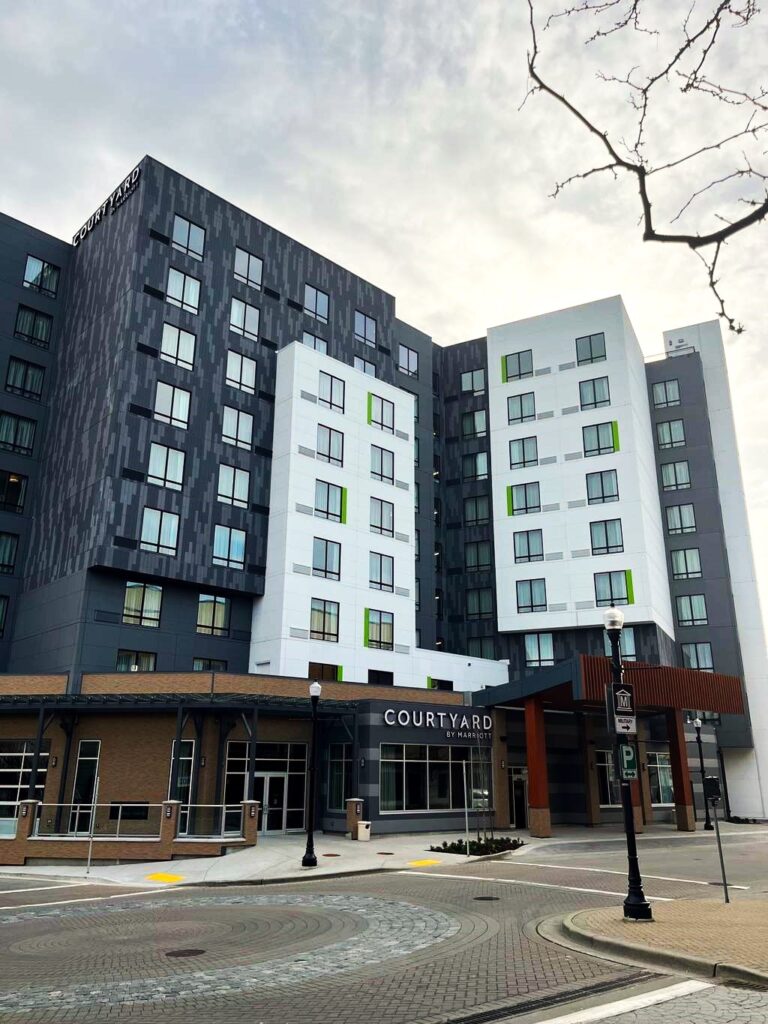
The organization has applied a similar approach in the hospitality sector. In March 2026, PDG acquired full ownership of the 172-room Courtyard by Marriott Nanaimo. Previously held through a partnership, the hotel became a fully Nation-owned asset and an important part of PDG’s growing hospitality portfolio. Located in Nanaimo’s downtown core, the property supports tourism, conferences, employment, and local economic activity while contributing to long-term revenue generation.
Results
PDG’s strategy has produced remarkable results. The organization has evolved from a local economic development entity into a rapidly scaling Indigenous-owned enterprise platform with a diversified portfolio and a growing presence across British Columbia. Its expansion demonstrates that Indigenous economic development can move beyond individual businesses and become a large-scale model of ownership and wealth creation.
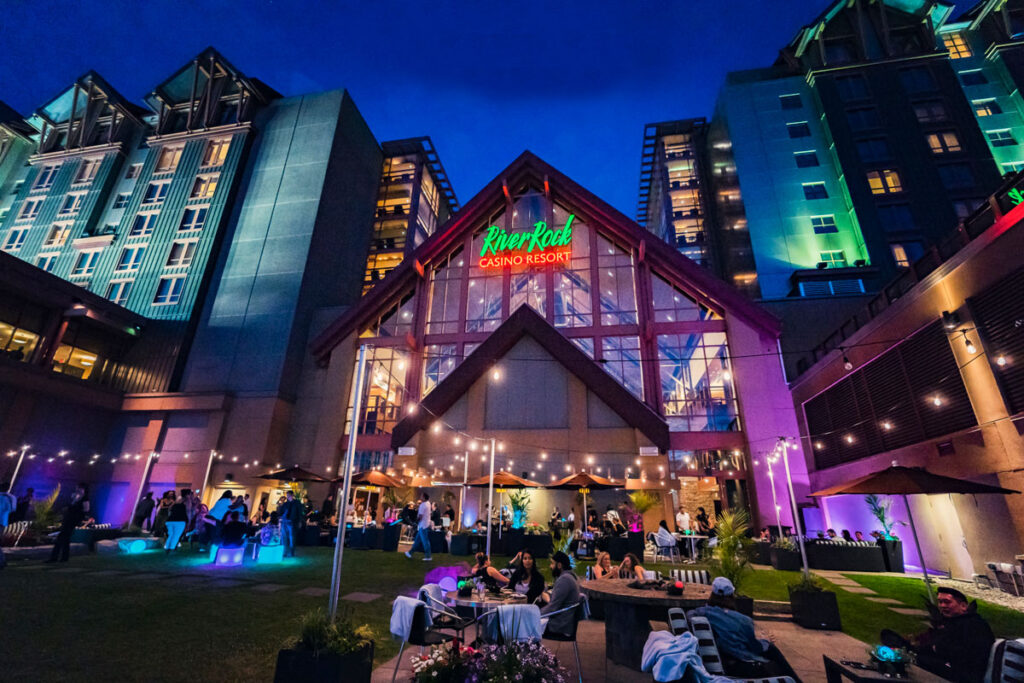
The gaming acquisitions have established PDG as a major player in the provincial gaming economy. With approvals and transactions complete, the acquisitions of River Rock Casino Resort, Chances Maple Ridge, and Great Canadian Casino Vancouver position the organization as the largest gaming operator in British Columbia and the largest Indigenous-owned gaming and hospitality operator in Canada by revenue.
PDG’s growth is also connected to a broader vision for long-term development. One of the most significant opportunities is te’tuxwtun, nearly 195 acres of Snuneymuxw land adjacent to Vancouver Island University. Considered one of the largest planned development initiatives on Vancouver Island.
Beyond financial growth, PDG’s success has generated broader benefits. The organization supports employment, contributes to regional economic development, and creates revenue that can be reinvested in community priorities. By owning and operating businesses directly, Snuneymuxw First Nation maintains greater control over how economic benefits are generated and distributed.
Perhaps most importantly, PDG has emerged as a leading example of Indigenous economic leadership, scaling a diverse portfolio of businesses that create lasting value for Snuneymuxw and the communities where the Nation operates. Its growth across multiple sectors shows how strategic investment, long-term planning, and strong governance can create lasting prosperity while remaining grounded in community values and objectives.
Petroglyph Development Group’s journey demonstrates the power of Indigenous economic self-determination. Indigenous Nations across Canada are restoring economic strength on their own terms, generating opportunities that benefit both their communities and the wider economy while advancing sovereignty.
Grounded in snuw'uyulth, the knowledge system passed down through generations, PDG weaves together Snuneymuxw knowledge and contemporary business to create sustainable economic opportunities. Through responsible growth and long-term stewardship, PDG supports Snuneymuxw self-determination and Nation-building by generating opportunities and resources that strengthen the Nation, benefit its members, and contribute to the wellbeing of the communities it serves and operates in.
Ian Simpson, Yaatqumtun, CEO