Across Canada, efforts to advance economic inclusion have highlighted the urgent need to support Indigenous participation in professional fields such as accounting. The Indigenous Learners in Accounting (ILA) initiative demonstrates how targeted, culturally grounded interventions can remove systemic barriers and empower Indigenous learners to succeed. The NIEDB learned about this initiative during its quarterly board meeting in Vancouver, B.C. in April 2026.
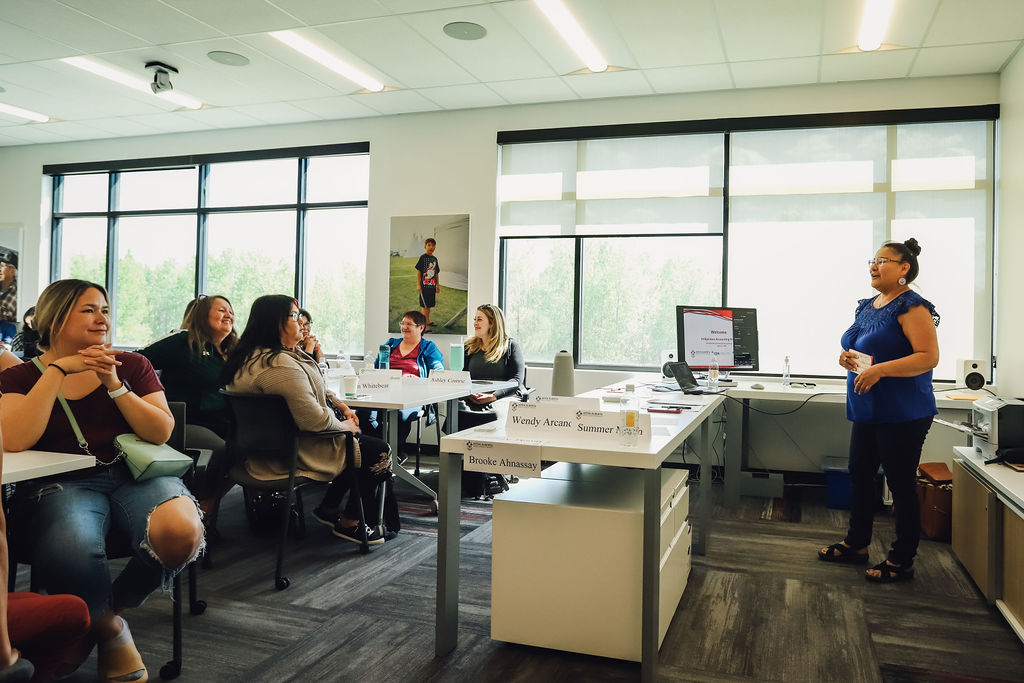
Background
Historically, Indigenous learners have been underrepresented in accounting due to a complex web of structural, social, and educational barriers. These challenges are rooted in a broader colonial legacy that has disrupted education pathways, limited access to resources, and created mistrust in mainstream institutions. At the same time, increasing Indigenous representation in accounting has been recognized as critical, not only for improving diversity within the accounting profession, but also for supporting Indigenous self-determination, economic development, and community well-being.
The Indigenous Learners in Accounting (ILA) initiative is a specialized CPA education pathway that supports Indigenous students by integrating culture, context, and tailored learning approaches to address systemic barriers. Developed by CPA Western School of Business, CPA Canada and Aboriginal Financial Officers Association Alberta (AFOA), ILA takes a comprehensive, research-informed approach grounded in Indigenous perspectives and community priorities.
Challenges
Research conducted as part of the initiative identified multiple, overlapping barriers faced by Indigenous accounting learners. These include inadequate financial supports, limited access to housing, transportation, and reliable internet, and workplace environments that can conflict with Indigenous values.

Learners also experience social and cultural challenges, such as racism, implicit bias, and a lack of understanding of Indigenous experiences within institutions. Educational barriers include the absence of Indigenous content, minimal representation of Indigenous instructors or mentors, and unclear academic pathways.
Beyond institutional factors, learners often navigate personal and community pressures, including financial need, family responsibilities, and social isolation when studying away from their communities. These interconnected barriers reinforce one another, making it difficult for learners to enter, persist, and succeed in accounting programs.
Solutions
The ILA initiative responded to these challenges with a holistic, learner-centred model designed to address these barriers at multiple levels. Key elements include hybrid and flexible learning options, personalized learning plans, and strong peer networks through “learning families” that foster belonging and mutual support.
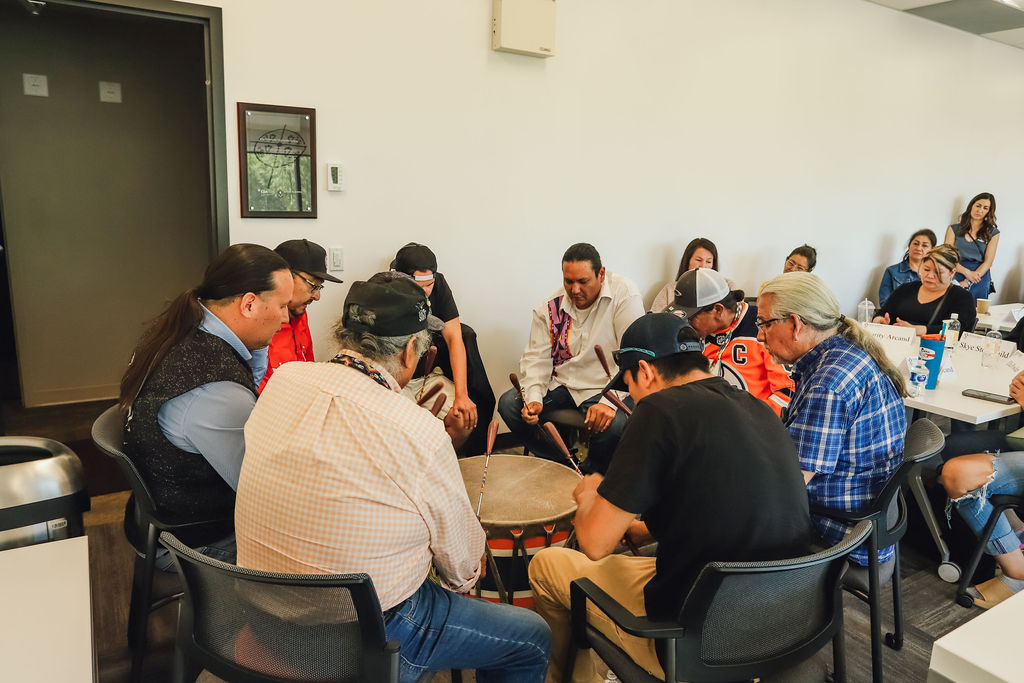
Central to the initiative is the integration of Indigenous knowledge, culture, and context throughout the curriculum. Specialized textbooks incorporate Indigenous examples and perspectives across First Nations, Métis, and Inuit communities, and are developed and validated by Indigenous subject matter experts.
Equally important is the presence of Indigenous instructors and advisors who guide learners academically and culturally, helping to create safe, inclusive learning environments. The program is supported by financial assistance, ongoing research and evaluation, and collaboration across institutions to continuously refine and scale effective practices.
These efforts are embedded within a broader “theory of change” aimed at reducing barriers, improving retention, and increasing the number of Indigenous CPAs, while strengthening institutional understanding and capacity.
Results
The initiative has already demonstrated strong positive outcomes. Learner feedback shows that 100% of participants feel safe in in-person learning environments and find them effective in building meaningful connections. Satisfaction with instructors, advisors, and learning materials is consistently high, with 90–100% of learners rating these elements as excellent.
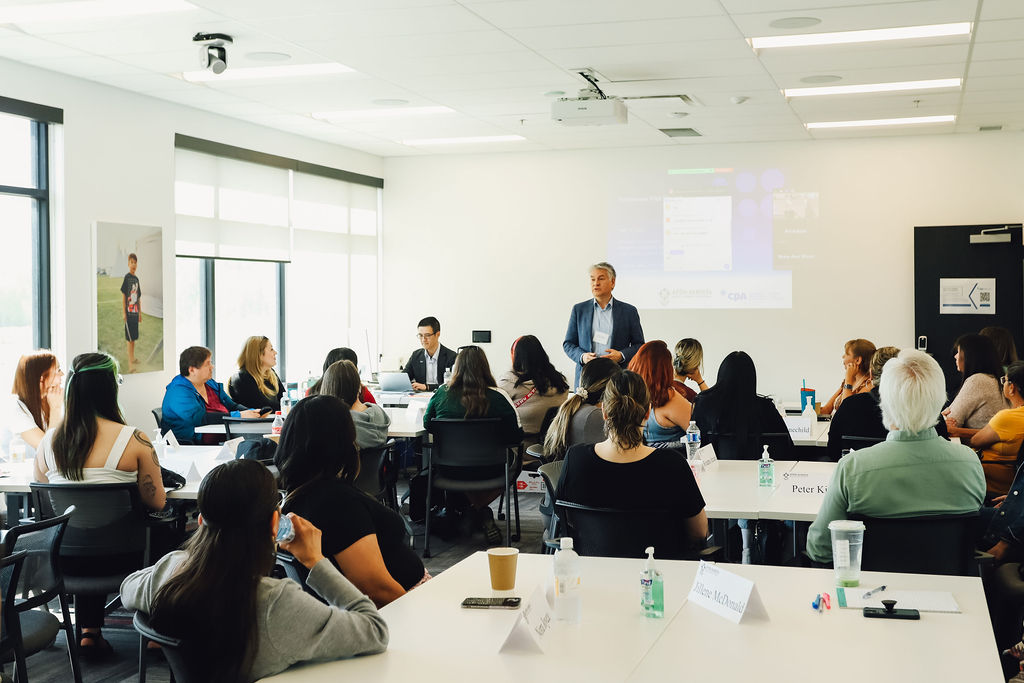
Beyond satisfaction, the program is increasing learner engagement, confidence, and persistence. It is contributing to improved retention of Indigenous accounting students and building a growing community of learners and professionals who can serve as role models and leaders.
At a system level, the initiative is strengthening partnerships between educational institutions and Indigenous communities, expanding access to culturally responsive accounting education, and advancing reconciliation through concrete action. It also supports broader economic goals by equipping Indigenous communities with financial expertise to guide development, governance, and self-determination.
By addressing barriers with culturally grounded, learner-focused solutions, the Indigenous Learners in Accounting initiative is transforming pathways into the profession, demonstrating that when systems adapt to learners, Indigenous success not only becomes possible, but sustainable and community-driven.
The Indigenous Learners in Accounting initiative has been a transformative experience in my CPA journey. It has provided not only the academic and professional tools needed to advance toward the designation, but also a deep sense of belonging and cultural affirmation that is rare in formal accounting education. Through this program, I have been able to connect my professional goals with my identity and responsibility to my community, empowering me to contribute to financial governance and reconciliation in a meaningful way.
Alvin M., ILA PREP IFA
Balancing a demanding full time job, personal health challenges, and family responsibilities while working toward my CPA hasn’t been easy, but the support and sense of community within this program have kept me grounded and motivated. It’s been encouraging to know that I’m not alone on this journey and that there are people and resources who genuinely want to see us succeed.
Ann-Marie P., ILA PREP IMA
Your [financial support offered by CPAWSB, AFOA Alberta, and Donors] has made a significant impact on me. By removing a financial barrier, I can focus on continuing striving for excellence while continuing my education without the financial burden.
Melisa W., ILA PREP IMA